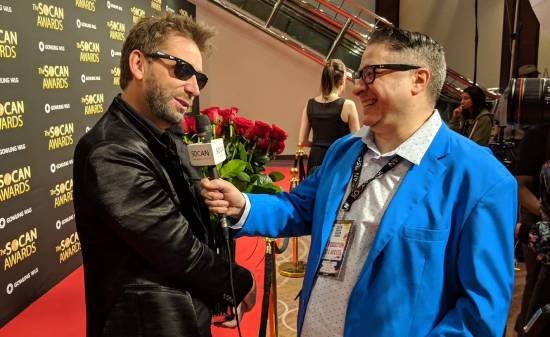
With Chad Kroeger, of Nickelback
In the 25 years since Howard Druckman started working at SOCAN, a lot has changed in the music industry, from technologies, outlets, and genres to delivery, listening, and payment systems. As Editor in Chief at SOCAN, Druckman has been one of the rare constants, and his departure at the end of April represents the end of an era. Still, there are good reasons why his tenure lasted so long, including being a musician himself, aware of the struggles musicians face; his writing and editing skills; and his lifelong passion for music.
“I’ve been very lucky to have a job that was kind of perfect for me,” he says. “My favourite thing to do, really, is champion the music I love, and to be able to do that, mostly, for 25 years is almost unheard of. I feel extremely fortunate. It’s also allowed me to keep up with all kinds of Canadian music, and to always know that I was working for an organization that supports people who make music.”
Druckman has shepherded Words + Music through some major changes, including the switch from print to online in 2015. “It freed us from having restrictions on space and timing,” he says. “We don’t have to time articles for a quarterly publication, we don’t have limits on the number or length of the articles, and we can reach the whole world instead of just SOCAN members. That’s huge.”

With Sarah McLachlan
Then there’s the skyrocketing importance of social media itself.
“That’s where everybody lives now, so content has gone there too,” he says. “We used to do 1,200-word articles in the magazine. Now we do 45-second videos, and the content is less about the motivation of the songwriter and more about things that help them succeed. That’s SOCAN’s mission, to support songwriters, in addition to collecting their royalties.”
That means that, as well as an editorial committee to balance coverage between genres, regions, media, types of members, and levels of popularity, there’s a Creative Team in the Membership Department that connects members to initiatives like SOCAN song camps, SOCAN Houses in Nashville and L.A., and the new education platform, SOCAN Academy.
“We’ve been posting educational content every week, usually a video with a member explaining one facet of the industry, or giving advice on songwriting,” Druckman says. “It’s very much a balancing act, and we try to do everything.”
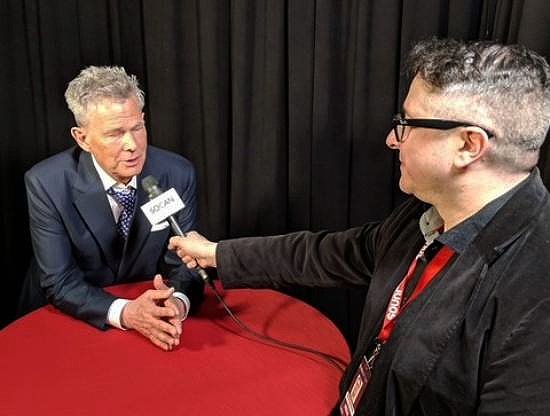
With David Foster
When asked about the biggest challenges facing SOCAN and its members, he quickly says, “AI. It’ll revolutionize what we’re doing on all fronts, creatively and corporately. There are good and bad sides to that, and it’s going to be interesting to see where it goes, and what we do. Currently, SOCAN is advocating for licensing all music AI is using to train its platforms. Crucial in that licensing are authorization from the songwriter; ensuring that they’re remunerated; and transparency, so it’s clear what music of theirs is being used. That’s the battlefield right now.
“Things have changed so much. When I started at SOCAN, CDs were the main format, and if you were a singer-songwriter you’d go to open stages and gradually build your name and audience until you got signed, put out a record, and toured nationally, or globally. Now, you can post something on TikTok, and if it resonates with enough listeners, throughout the world, your first gig might be to 5,000 people. It’s not better or worse than before, just different – extremely different.”
And definitely less lucrative. “It’s very hard to make money in music these days,” he says. “The only two things that seem solid right now are synchronization, where you get a song in a movie, TV show, or videogame, and merch, if you’re touring. But touring is a challenge in Canada, where the major markets are so far apart.

With Jessie Reyez
“So it makes me happy to have worked for an organization that puts money in the hands of songwriters and composers. I’m also happy, as an editor, to have put money in the hands of freelance music journalists, because there aren’t many outlets they can write for anymore.”
Besides being able to support musicians and fellow writers, Druckman points to a few other things he’s proud of during his time at SOCAN. Among them are in-depth interviews with major talents and personal favourites like Julian Taylor, Donovan Woods, Jessie Reyez, Snotty Nose Rez Kids, Haviah Mighty, TOBi, and DijahSB. Also, Druckman is happy to have kept SOCAN members connected and informed during the pandemic with weekly summary-of-COVID-news posts, and recorded, video-conferenced member interviews.
He was also pleased to have participated in the SOCAN 100 initiative in 2025. “We posted something historical from SOCAN every week, and I was proud to be involved with that,” he says.
“I feel very lucky. They say if you enjoy your work, life’s a pleasure, and that’s certainly been true in my case. It feels good.”