Tate McRae was the big winner at the at the 2026 JUNO Awards, held March 28-29 in Hamilton, taking home a leading four honours: Single (for “Sports Car”), Album, Pop Album (both for So Close to What), and Artist of the Year. The Beaches won two awards, for Group and Rock Album of the Year (for No Hard Feelings), as did Aysanabee, whose Edge of the Earth won for both Contemporary Indigenous and Alternative Album of the Year. Joni Mitchell, of course, was honoured with the Lifetime Achievement Award.
In additional to winning the Songwriter of the Year Award, presented by SOCAN, Daniel Caesar also earned the Contemporary R&B Recording of the Year honour (for Son of Spergy), and the International Achievement Award. Tobias Jesso Jr. won the Non-Performing Songwriter honour, also bestowed by SOCAN. The songwriter award was co-presented by SOCAN Chief Membership Officer Cameron Kennedy; the non-performing one, by our CEO, Jennifer Brown. Amy Brandon won another prize specifically for writing music: the Classical Composition of the Year, for Cloud Path.
Lou-Adriane Cassidy took home the trophy for Francophone Album of the Year, for Journal d’un loup-garou. Alex Cuba’s Índole earned the first-ever Latin Music Recording of the Year JUNO, while Karan Aujla and IKKY’s P-POP CULTURE won the second-ever South Asian Music Recording of the Year. For a complete list of 2026 JUNO Award winners , click here.
SOCAN spent the JUNO 2026 Award nights in the media room, where most winners come after they accept their awards, to reply to questions from Canadian music journalists and content creators. Here’s what some of them said…
-

- Debby Friday, on winning an award: “Part of it just has to do with the acknowledgement…from your industry, so you feel like people are hearing what it is that you’re doing; they’re listening, they’re paying attention.” Photo: Marie-Michèle Bouchard
-
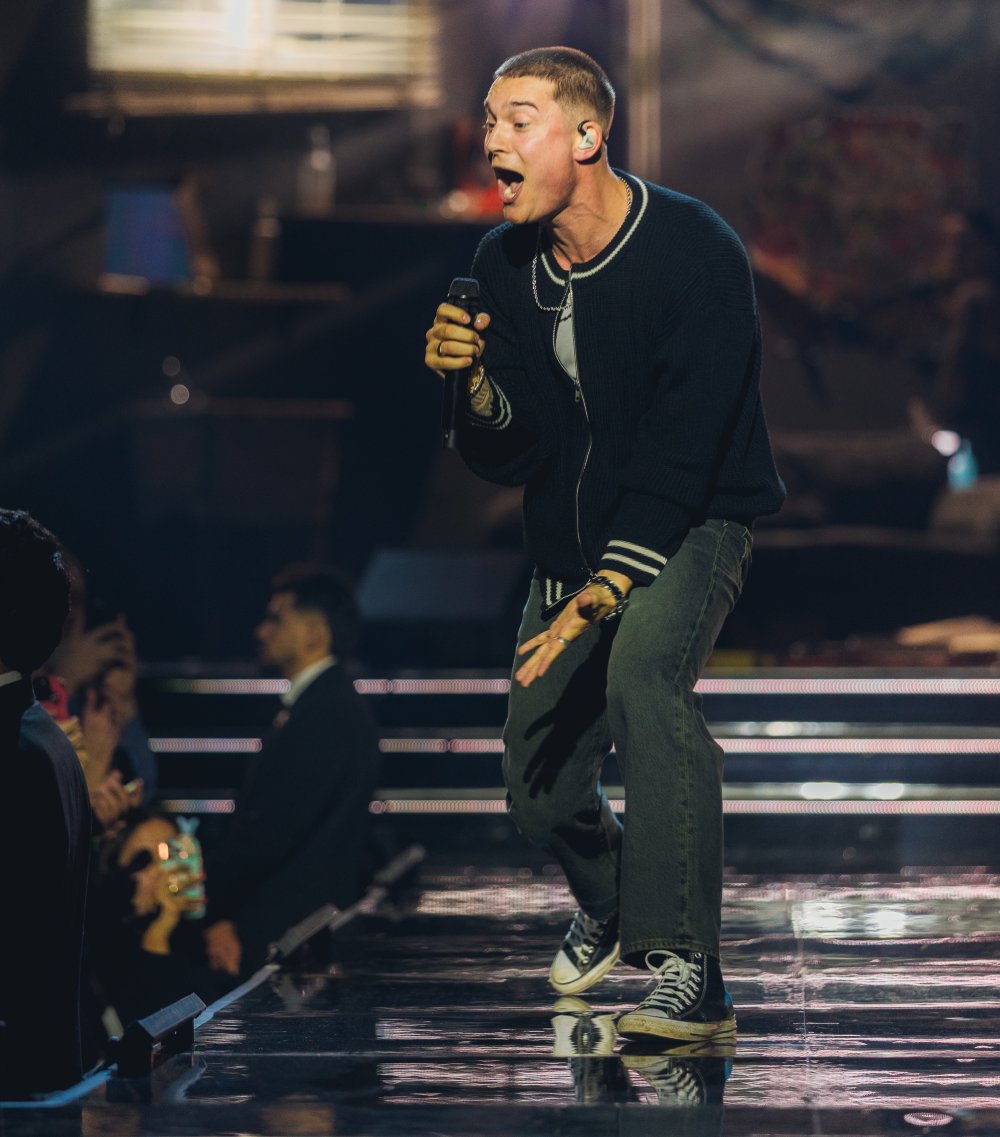
- Cameron Whitcomb, on winning awards: “Every time I get something like this, get something physical, it really solidifies it in my head that this is a real thing that I’m doing… My first gold record, a CCMA Award, and now a JUNO, it makes it really real. And it’s unbelievable. It’s a really great feeling.” Photo: CARAS/Ryan Bolton
-
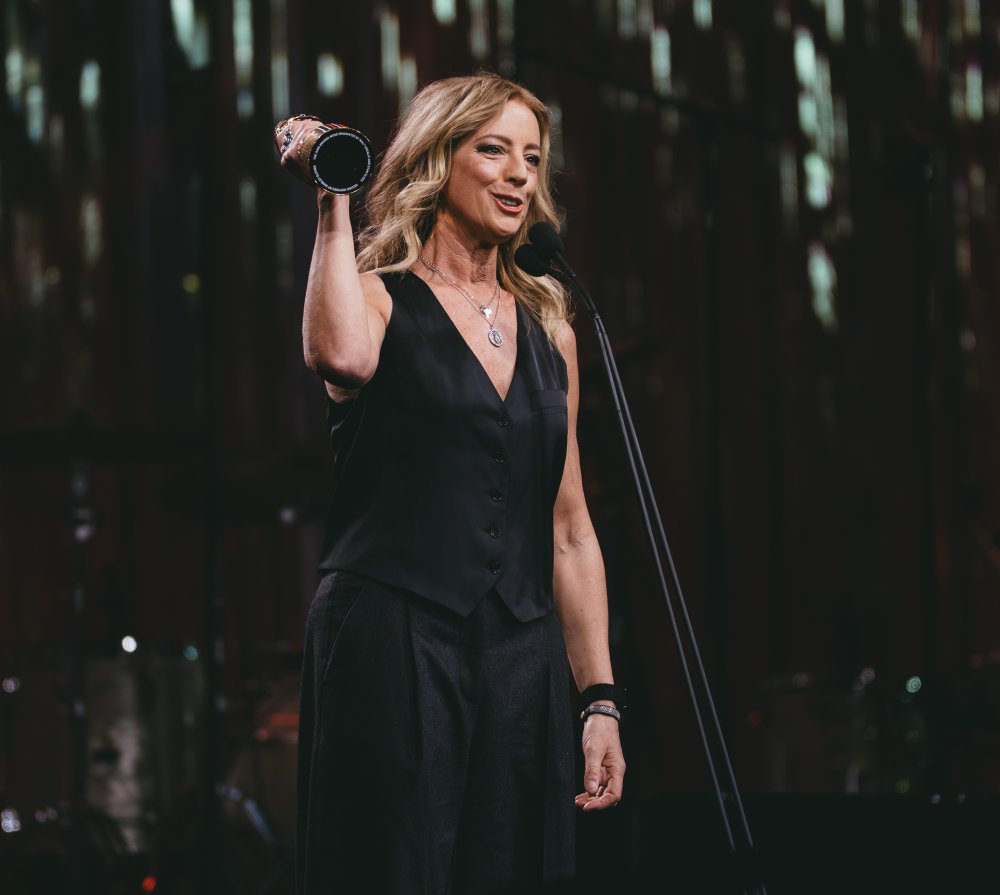
- Sarah McLachlan, on whether winning a new JUNO after winning so many awards hits the same way: “It kind of does. Stuff like this, you don’t necessarily expect. There’s always butterflies, wondering if it’s going to happen or not… I wasn’t even sure I was going to make another record. So, to come out the other side, and feel incredibly proud of it – I love this record so very much – so for it to be honoured like this, in Canada, in my home country, is always just sort of extra-special.” Photo: Marie-Michèle Bouchard
-
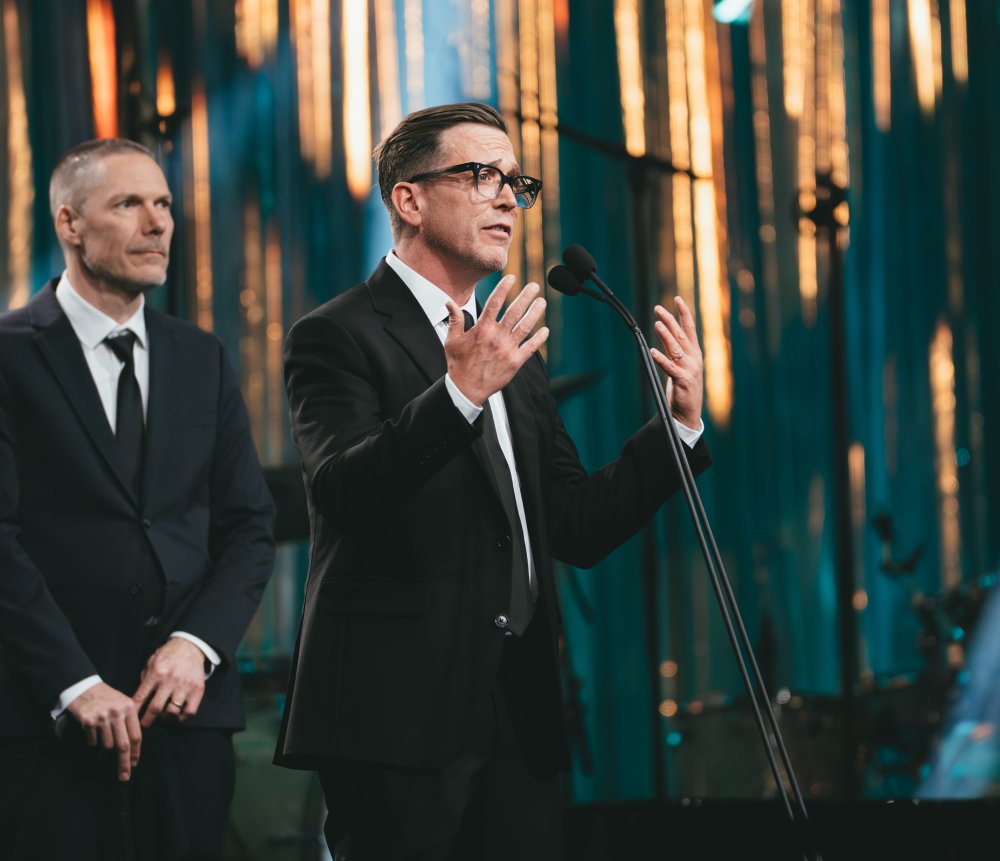
- Billy Talent, on the difference between winning an award for humanitarian work versus music: (Ben D’Sa) “It’s a different kind of feeling. Music isn’t the only reason we do this. There was a certain spirit then, when we were forming this band, so long ago in high school. Just to be connected by these causes and things that we’re really passionate about. This award tonight is the culmination of all of that.” Photo: Marie-Michèle Bouchard
-
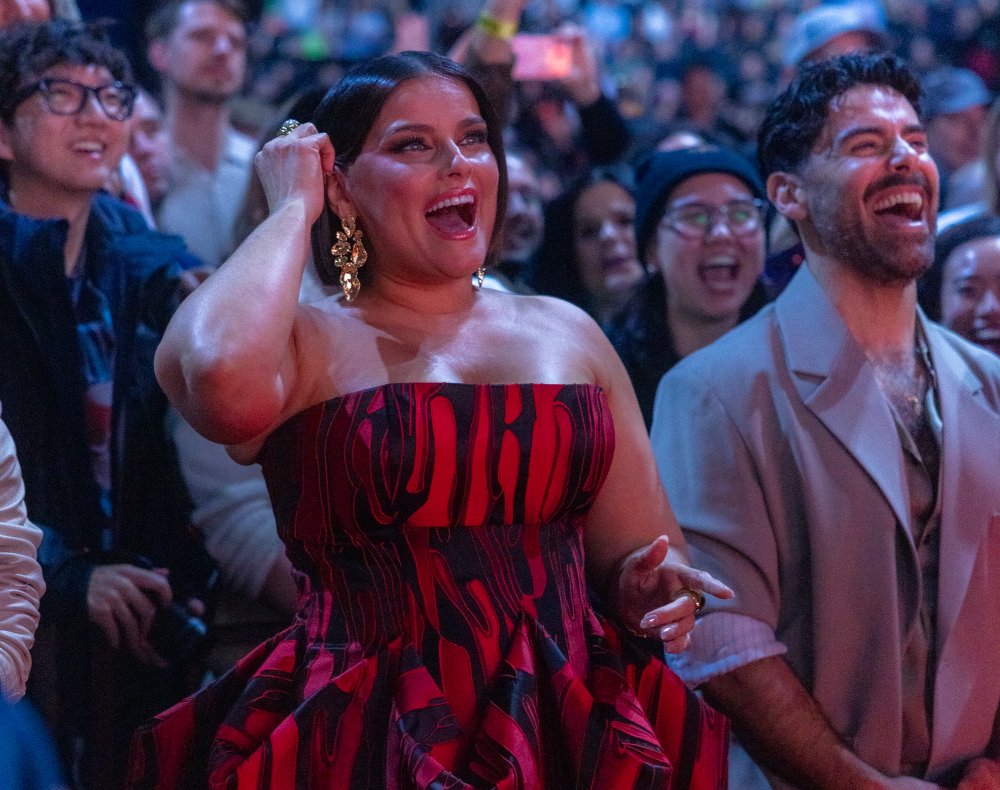
- Nelly Furtado on her Hall of Fame tribute: “I’ve been very emotional the entire week, because it’s a lot to take in. I’m very humbled by this honour. Just very grateful, and reflective. Having all these artists I admire [in the tribute], I was literally screaming. When Tanya [Tagaq] got up there, I was just so overwhelmed with joy… It’s very surreal.” Photo: CARAS/Ryan Bolton
-

- Allison Russell on Joni Mitchell receiving her tribute at the JUNOs: “For Joni to come home, and to get her flowers here at home, and to hear that kind of heartfelt speech from the leader of the country, supporting and loving and understanding the cultural value of art, and of a generational, once-in-a-lifetime artist like Joni, there’s something that is so uplifting and hopeful about that to me… There’s not an artist in this building who doesn’t love a Joni Mitchell song.” Photo: CARAS
-
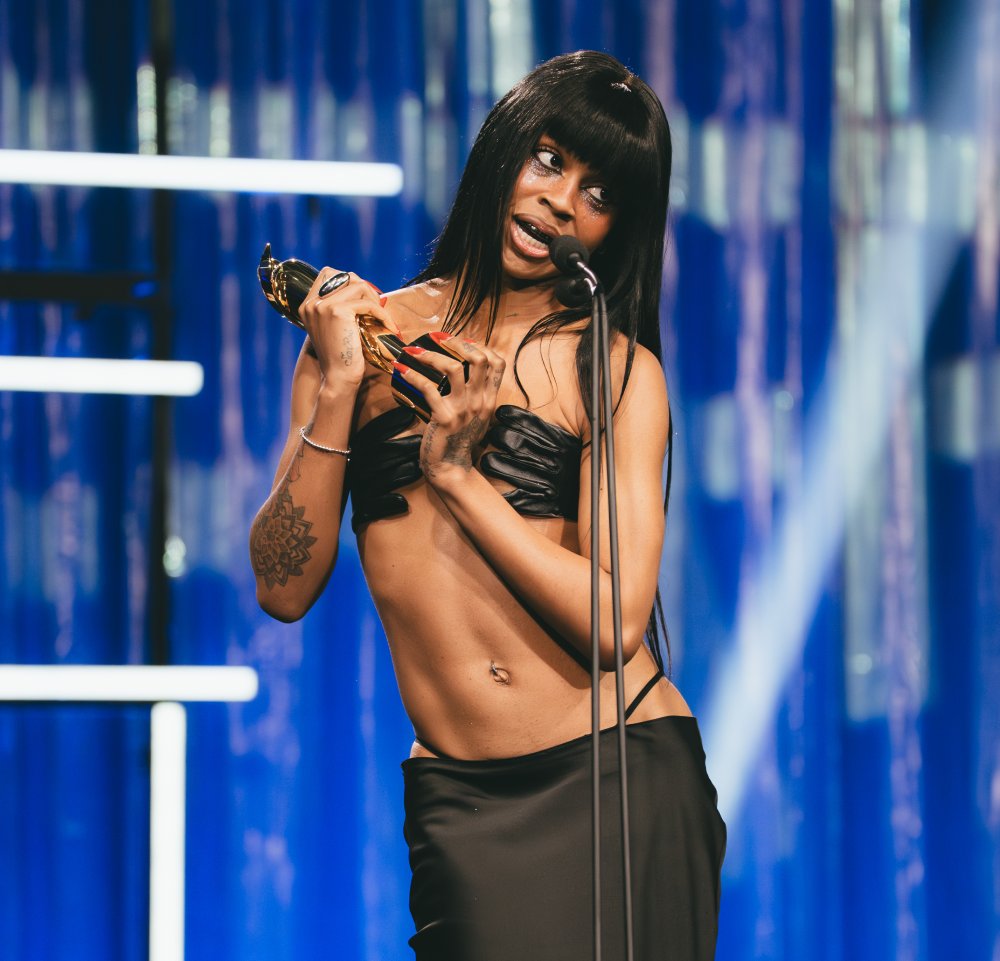
- SadBoi, on her process: “I write my music in my washroom. It’s kind of weird. I’ll have a glass of wine, I’ll have my speaker blasting music, and I just go off the beat. My biggest thing is anthems for girls. When I’m writing music, it’s kind of like affirmations to myself, in a way. I don’t write music based on, ‘I feel like a baddie.’ I want to feel like a baddie, so I need to write something that’s going to bring that energy back to me.” Photo: Marie-Michèle Bouchard
-

- Mariel Buckley, on turning sadness into resonant songs like “Vending Machines”: “I wrote that song after my first Ontario headline tour, and no one came. I lost a lot of money, and I went home [to Edmonton], and ended a long relationship. I was just in a place where I didn’t know if I could do music anymore… my mom was worried about me, [saying] ‘She’s almost 35’… Now I’m here, and my mom is here tonight, and it’s really special.” Photo: CARAS
-
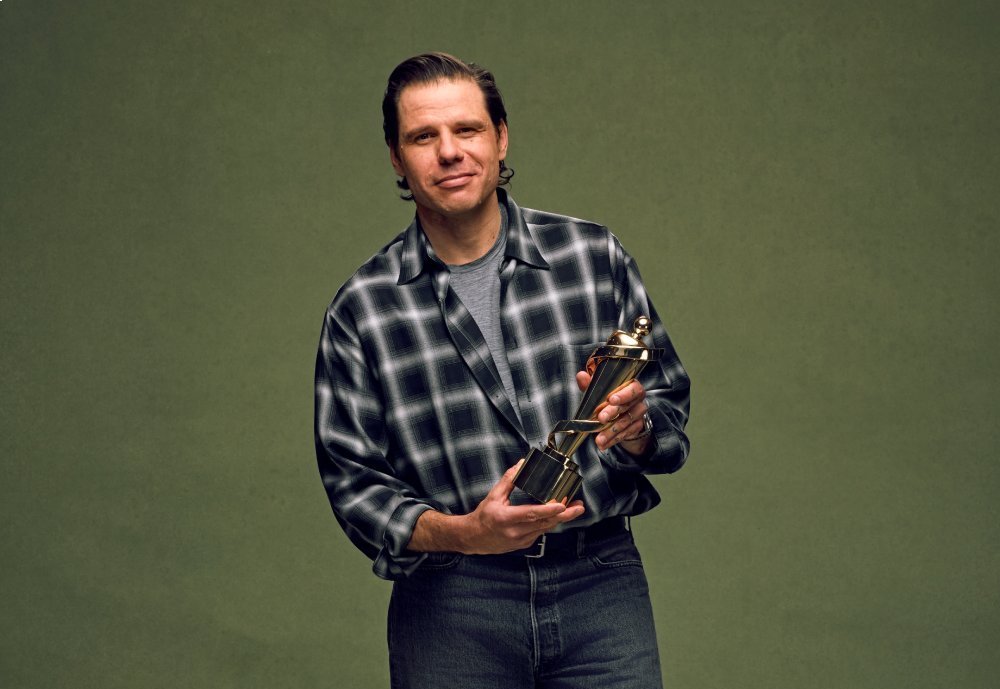
- Bahamas, on balancing sadness with irony: “I think that, for better or worse, I have to just laugh at the darkest stuff. For me, that’s just the way I’ve gotten through, since as far as I can remember. I’ll spare you all the sad details… Those are often the songs I gravitate to, of other artists, songs that have a little bit of both.” Photo: CARAS
-

- TOBi, on hearing the voices of Jully Black and Saukrates blending with his own for “Who’s Driving You?” “I’m a very spiritual guy, I feel a lot of energies. There’s something about hearing these different voices on a song, it immortalizes it, right? That’s how it’s going to be, forever. So, there’s a power to having those different voices in harmony, in sequence. Sauks has such a great baritone, and Jully’s voice is so powerful, so hearing them together, chills. I had chills.” Photo: Marie-Michèle Bouchard
-
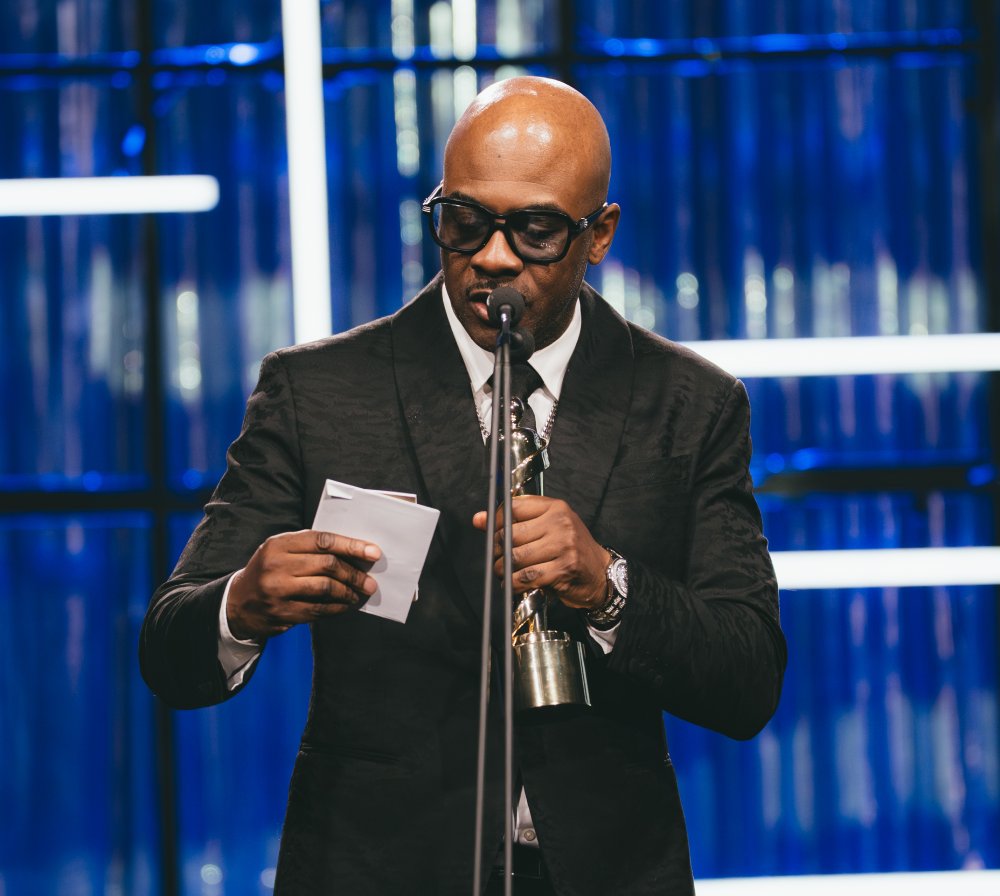
- Maestro, on being a hip-hop artist doing a children’s album: “I’m trying to be the Black Raffi!.. We grew up watching Fat Albert and The Flintstones, shows where it wasn’t too cerebral for young kids, and it wasn’t too ‘animated’ for parents. Trying to find a happy medium. Those were the points of reference.” Photo: Marie-Michèle Bouchard
-
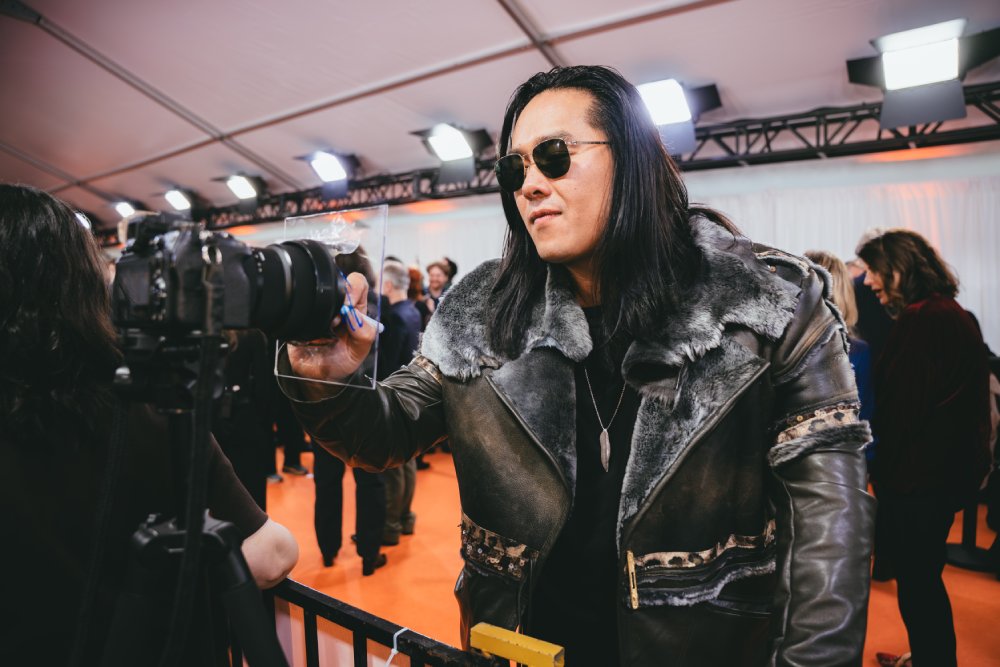
- Aysanabee, on touring: “Every place is different, every place is unexpected. I went to Taiwan for the first time last year, and I toured there… Half the time, I spent with the local Indigenous population there… I remember this elder in Taiwan, he started playing a traditional song on a drum, and it was so similar to the traditional songs we have here. And I was in this Indigenous all-girls school in the mountains of Taiwan, and they were showing me a dance, and it was essentially a round dance, like we have here… This is in a place and a culture that’s on the complete opposite side of the world.” Photo: Marie-Michèle Bouchard
-

- The Beaches, on how they keep their core identity as they evolve: (Eilza Enman McDaniel) “I think, really, our biggest super-power is that we’re all truly best friends. What you see up here is as real as it gets, as authentic as it gets. It’s very important for us to just be there for each other, keep each other in check.” Photo: CARAS
-
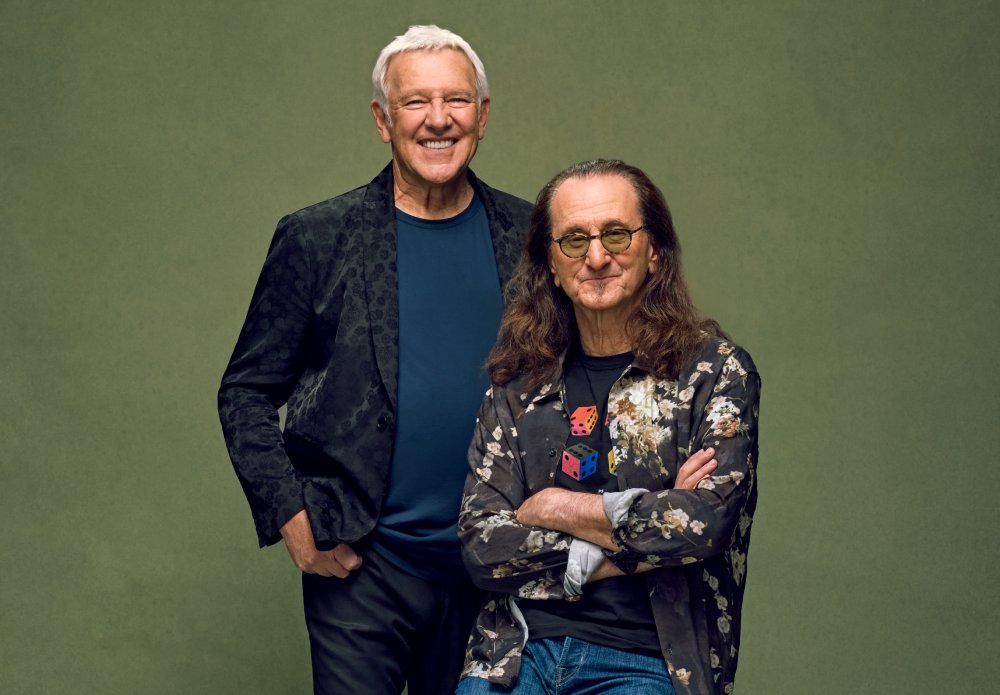
- RUSH on working with young new drummer Anika Nilles after Neil Peart’s passing: (Geddy Lee) “Neil is irreplaceable. If he had something to say to us right now, he’d probably say, ‘You guys are idiots!’ But music lives beyond tragedy, beyond anything that can happen in your life. One thing we’ve learned over the last 10 years is, that [old] music is still a part of us. So, to play it now, with someone as young and exciting as Anika, is just another tribute to him. I think he’d be very pleased with our choice of drummer, and I think he would have a bit of a smirk on his face.” Photo: CARAS
-

- Mae Martin on her favourite Canadian songs: “Hearing songs around a campfire, it imprints on you, those songs stay with you forever, for some reason. Tragically Hip, at camp, that was massive. ‘Wheat Kings,’ that song. I saw Alanis Morrisette when I was thirteen. It blew me away; it was religious; that’s how it felt. I love The Moffats, do you remember them?” Photo: CARAS/Ryan Bolton