Beyond Patrick Watson, the Barr Brothers, and Men I Trust, Québec’s English-language music scene is a gold mine brimming with talent waiting to be discovered. Here are just five of its many hidden gems.
Ada Lea
Ada Lea spent most of her formative years chasing perfection within a rigid set of constraints. Before developing one of Montréal’s most freewheeling and evocative voices in indie folk, her daily life was shaped by the unforgiving discipline of high-level figure skating. “I competed until I was 15. It was really intense, for me and for my family… It just wasn’t bringing me any joy anymore, and it was incredibly stressful… I was training almost like a bodybuilder.”
After years of hard work earned her a spot at the Canada Games, her body and mind finally gave out. “I just burned out. I never had downtime… I had no idea what a normal life was.” Music found its way into that sudden void like a lifeline as she started learning to play her father’s bass: “Bass makes you hear songs in a weird way.”
Her journey into songwriting, however, was almost an accident. While studying music at New York’s prestigious New School, a severe case of tendinitis forced her to set aside her favourite instrument, the double bass. Cut off from her main “voice,” she received special permission to study voice with renowned teacher Kate Baker. That forced detour awakened a new calling: back in Montréal, balancing a café job with a grant for young creators through Jeunes volontaires, she began writing songs of her own.
Since then, her career has been taking off despite the odds. “I’m from here, but I’m not part of the francophone story because I’m anglophone,” says the singer, who is also a visual artist. She is clear-eyed about the invisible but very real barriers that have shaped her path in Québec. She could relocate to the U.S. to capitalize on the buzz generated by glowing reviews in Pitchfork and Stereogum, but she remains stubbornly attached to her city: “I’m a little stubborn… all my friends are here, my family is here, this is where I want to stay.” She simply won’t bend, and takes some comfort in the fact that those same barriers never stopped Leonard Cohen from breaking through.
Going forward—including on her EP The End Is a Wave, released on August 12—she wants to strip her arrangements back, make peace with empty space, and embrace imperfection as something perfectly human: “My hope for the future is to get more comfortable just letting things be what they are.”
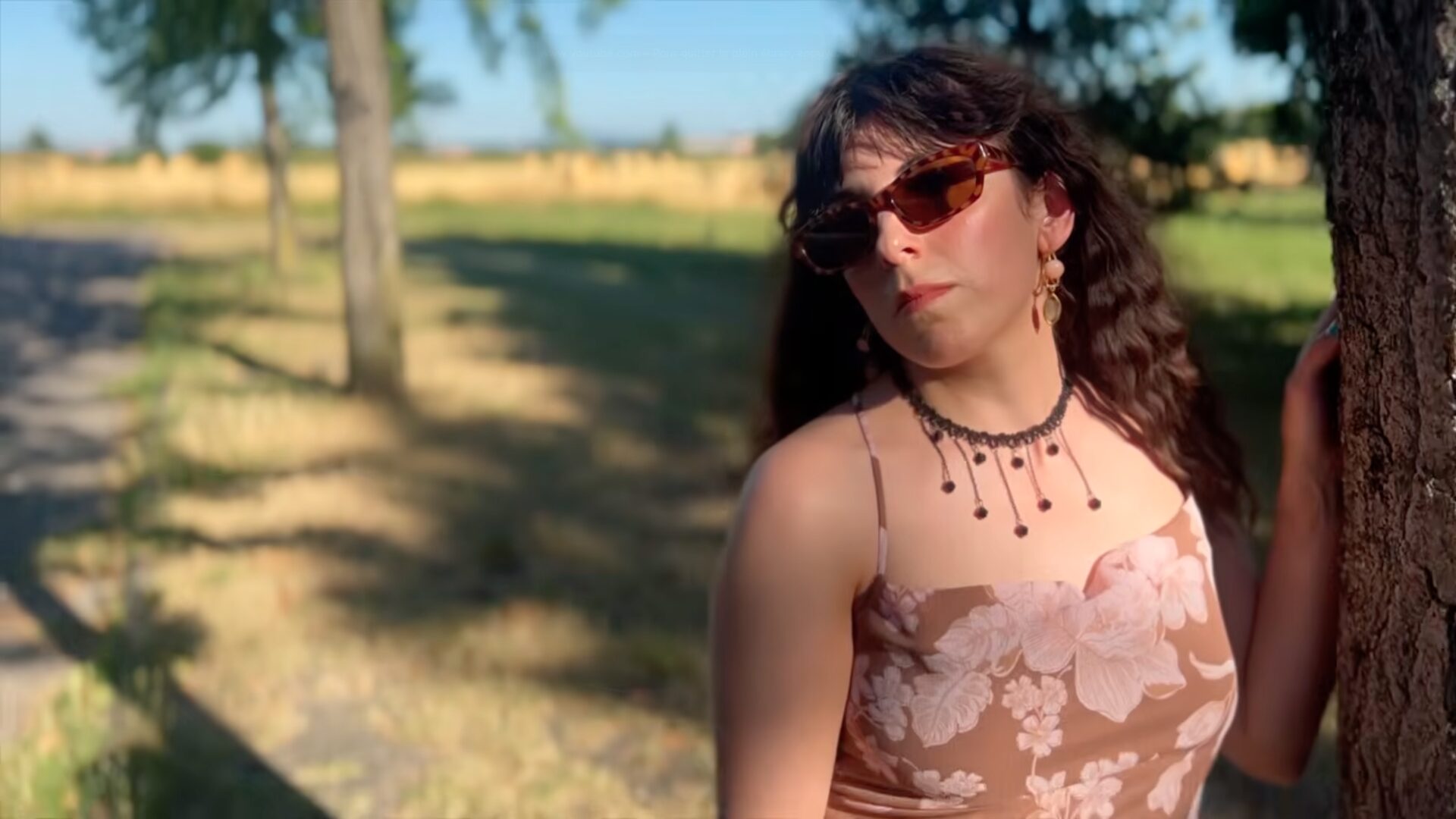
“copycat” by Ada Lea. Click the link for the video.
Emma Beko
Emma Beko was barely 3 or 4 when she got hooked on music. She remembers: “I would grab the remote and mime the songs that were playing on the TV.”
Born in Budapest to a Peruvian father and a Canadian mother who danced professionally, Emma Beko grew up in Montréal’s Mile End with music and contemporary dance woven into everyday life. Her childhood soundtrack was as eclectic as it gets, from The Fugees—whose cassette was gifted to her by her aunt when she was six—to Nirvana, Bob Dylan, and Tracy Chapman. “My mom played everything from classical music to Congolese music.”
After diving headfirst into hip-hop in her mid-teens during a stay in New York, where her mother had since moved, she co-founded the hip-hop and R&B duo Heartstreets in the 2010s, becoming one of the few all-female acts on Québec’s—and even Canada’s—rap scene at the time, a rarity that persists to this day.
Since going solo around the turn of the decade, the singer-songwriter has weathered her share of highs and lows. After once wanting to “take over the world” with her early albums, her ambitions have become more modest. “I just want to be happy with what I do and with how I do it. My music will probably remain pretty niche in Québec, and I’m totally comfortable with that.”
This newfound creative freedom was fuelled in large part by her friendship with, and mentorship from, the hugely influential New York rapper Ka, who died in 2024 at the age of 52. After discovering her on YouTube through her song Plaster, Ka began championing her work and encouraging her. “He gave me my confidence back. The main thing he kept telling me was that I was really important to the culture… and that he really loved my writing.”
Deeply affected by the loss of her mentor, she took inspiration from his uncompromising discipline—Ka never let money dictate his artistic choices—and resolved to make no commercial concessions of her own. That artistic maturity comes fully into focus on her new album, Cicada (released in 2026), a cinematic, experimental indie-rock project that imagines memories as the ones said to flash before our eyes in the moments before death.
Looking ahead, Emma Beko hopes to keep making music on her own terms, without trying to please everyone.
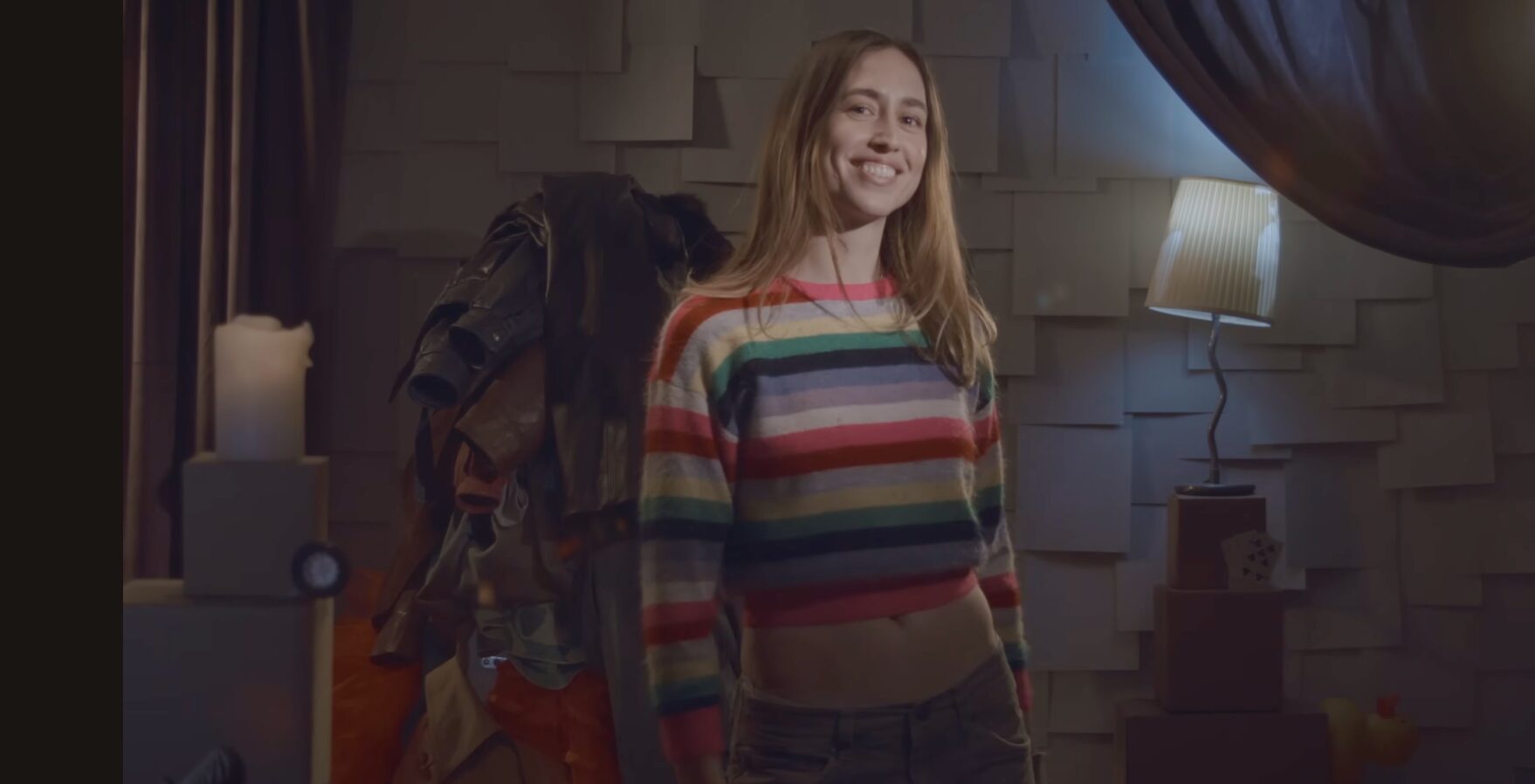
“Poser poetry” by Emma Bekko. Click the link for the video.
Lia Kuri
For Lia Kuri, music is part of the family legacy. “My dad taught me how to play guitar. That had a huge impact on me.”
She began studying classical singing at the age of ten, later joining a chamber choir in high school and nurturing a passion that would nevertheless remain on the back burner for years. After leaving Maryland at 18 to study environmental science at McGill University, she made her first forays into Montréal’s music scene with Afternoon Bike Ride before ultimately striking out on her own with Motherland, a 2024 album of remarkable intensity.
Shaped by the urgency of the climate crisis, this debut album is, above all, a reflection of a difficult transition into adulthood. In her twenties, Lia became a caregiver to her ailing parents: her mother was battling cancer, while her father was slowly slipping into dementia. “Motherland was connected to Mother Nature, but also to the fact that I had to be the mother to both my parents… because they were sick,” says Kuri, who was able to lean on her boyfriend, Vincent Roberge, a.k.a. Les Louanges, during that difficult period.
Her father’s death in the summer of 2025 left a gaping wound: “It’s like I lost my god. Having lost my battle with my father’s dementia, I’m curious to see what I can do to save the world.”
To help her heal and write her next songs, she chose to explore hope not as a naïve ideal, but as a raw, malleable survival mechanism. “At first, I hoped I could save my father. When I realized that wasn’t possible, I adjusted. At one point, I told myself, ‘OK, I’ll get to have him with me for another two weeks’… but two days later, he died.” Out of that resilience has grown a philosophy rooted in the present moment. “The only thing I could ask myself was: am I OK for the next hour?”
Inspired by the spirit and luminous melancholy of late—’90s British music—from Underworld’s frenetic electronic sound to Coldplay’s infectious Britpop—Lia wants to tie her work to the mast of a ship she calls hopecore. It’s her way of turning “a personal experience into a universal one” in a world in upheaval. And while she recognizes the systemic barriers that come with making music in English in Québec, she looks to the future with boundless ambition: “The path is easier here for artists who sing in French, but there’s also a huge glass ceiling for them on the global stage… whereas for us, sky’s the limit.”
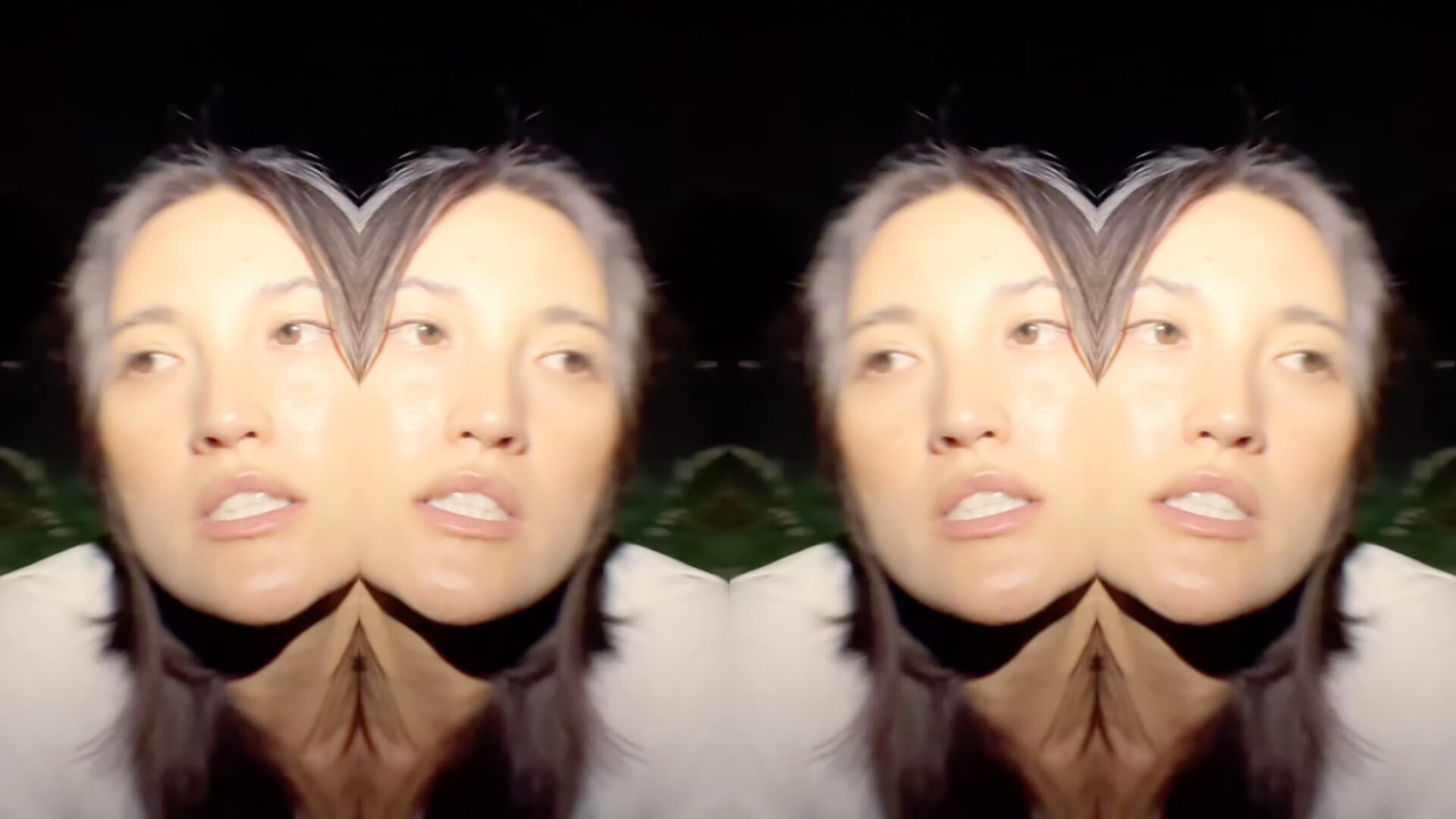
“Motherland (remixes)” by Lia Kuri. Click the link for the video.
l i l a
Marianne Poirier, a.k.a. l i l a, picked up the violin at age four and promptly started driving her parents crazy with it. “It was my idea. That was absolutely what I wanted to play—it couldn’t have been anything else,” she recalls with a laugh.
Preferring to make up her own pieces rather than read classical scores, she found her voice around the age of 16 or 17 during a student talent show: “Me and my friend were like, ‘OK, let’s write a song!’ It was totally random, but I liked what I heard.” After a brief stint studying music at Campus Notre-Dame-de-Foy and an appearance on La Voix in 2015, she forged her own path off the beaten track and launched the l i l a project in 2018.
To Marianne, l i l a isn’t a persona but a gentler extension of herself, echoing the flower of the same name: “It’s a flower that blooms only briefly, but comes back every year… l i l a is about things that are fleeting, things that transform.” Drawing on the airy melancholy of Daughter, Lana Del Rey and Sigur Rós, she has crafted her own, slightly mysterious brand of alternative folk and textured pop that is an invitation to dream.
Her beginnings were fiercely DIY: she recorded her first demo, songs from a room (2018), right in her bedroom at her parent’s house. “I recorded and mixed everything myself. I just put on my headphones and clicked on everything I saw on the screen until it sounded the way I wanted it to.”
After four EPs released between 2018 and 2022, l i l a will release her first full-length album, angels on my mind, on October 9. The organic, stripped-back project recorded without a single synthesizer sees her getting ever closer to the sound she’s always wanted: “I’ve always wanted it to feel organic, with as little going on as possible, and now I think I’ve finally nailed it.”
Making music in English in the heart of Québec City constantly makes l i l a wonder if and where she fits in. “Sometimes I feel alone. I’m trying to exist in a world where I don’t really have a place, or rather, in a world where I have to work twice as hard to deserve that place.” With her boyfriend Gaspard Eden by her side (who is a member and the coproducer of the band Worry), she draws inspiration from and looks up to the success of her friends in Men I Trust and Ghostly Kisses, who also hail from Québec City and sing in English. “If they managed to make it out of this city, I think I can too.”
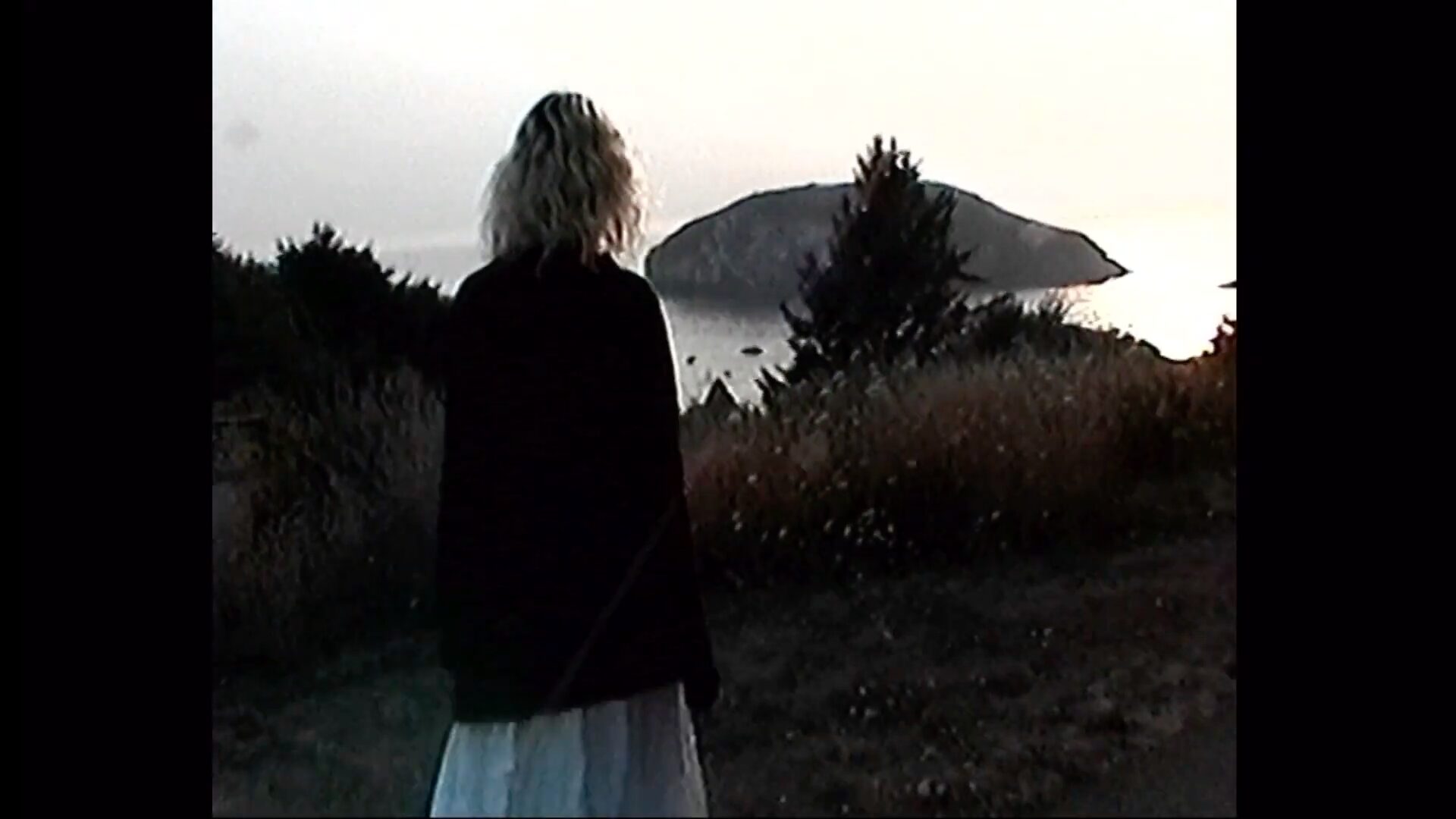
“memory hoarder” by l i l a. Click the link for the video.
Sarah Rossy
Sarah Rossy’s family wasn’t what you would call particularly musical; creativity came naturally to her. “I started writing songs as a kid: little stories, little silly things I’d sing,” recalls the now multidisciplinary artist.
After wishing in vain for violin lessons that were simply too expensive, she took up piano at nine. “My teacher encouraged me to find my own spirit in the music instead of just reproducing what was on the page.” That lit a spark and a visceral need to build sonic worlds of her own. After briefly wavering between health sciences and the arts while completing a double DEC at Vanier College, Sarah Rossy ultimately chose to pursue music. At 21, while studying at McGill University, she began posting her first original compositions on YouTube.
Raised on a steady diet of rock, classic folk, and film scores, discovering Patrick Watson took her on a completely different path. “He was blending pop and classical music! I had no clue that was possible,” she says.
Fascinated by that fusion of genres, Sarah went on to complete eight rigorous years of jazz studies. It was there that she crossed paths with composer John Hollenbeck, with whom she now collaborates in the experimental jazz group GEORGE. That academic foundation and thirst for exploration come fully alive in her solo work, where her avant-garde art rock pushes into the outer reaches of improvisation and electronics. Ethereal yet deeply inhabited, her sound channels the freedom of Björk, Radiohead, and Kate Bush, three of her major influences.
Unlike other artists from Montréal’s English-speaking minority, Sarah Rossy refuses to frame her reality in terms of limitations. Fully bilingual, born to a British Columbian mother and a Québec-born father of Lebanese descent, she moves easily across linguistic lines. “I consider myself bilingual, and I really like being part of both worlds… I think it’s a shame the two languages don’t cross-pollinate more,” she says with clear-eyed candour.
On her never-ending quest for broader horizons, Sarah Rossy will present an experimental solo (synths and voice) performance at MUTEK on August 30 in Montréal’s Quartier des spectacles. Following the release of an EP and her debut album, LUCID (2025), a deeply personal work eight years in the making that brings her past and present together, she is now preparing an experimental jazz and electronic album for June 2027.
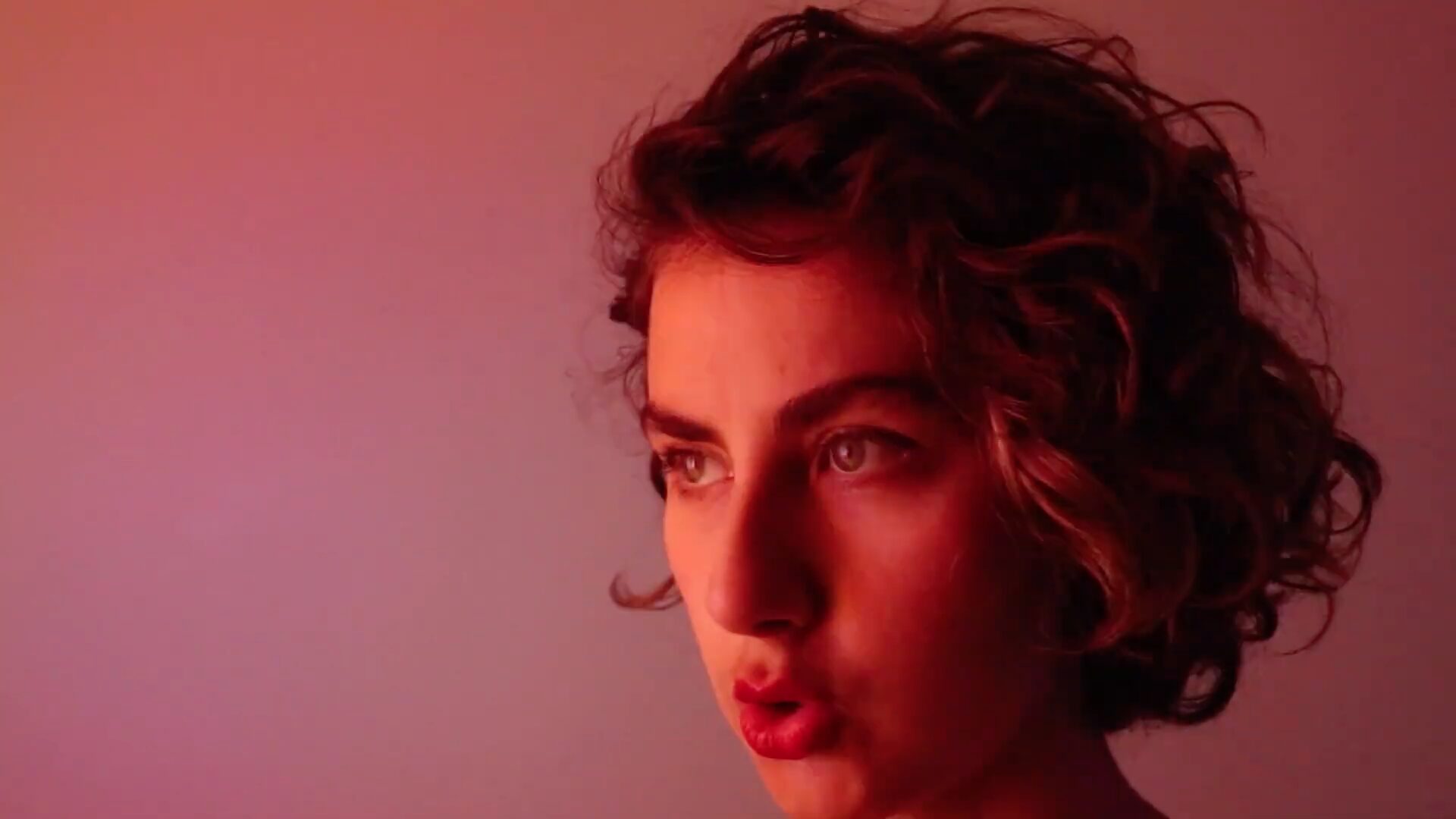
“Some Words” by Sarah Rossy. Click the link for the video.